
Second Sunday of Advent - 2025 - Year A
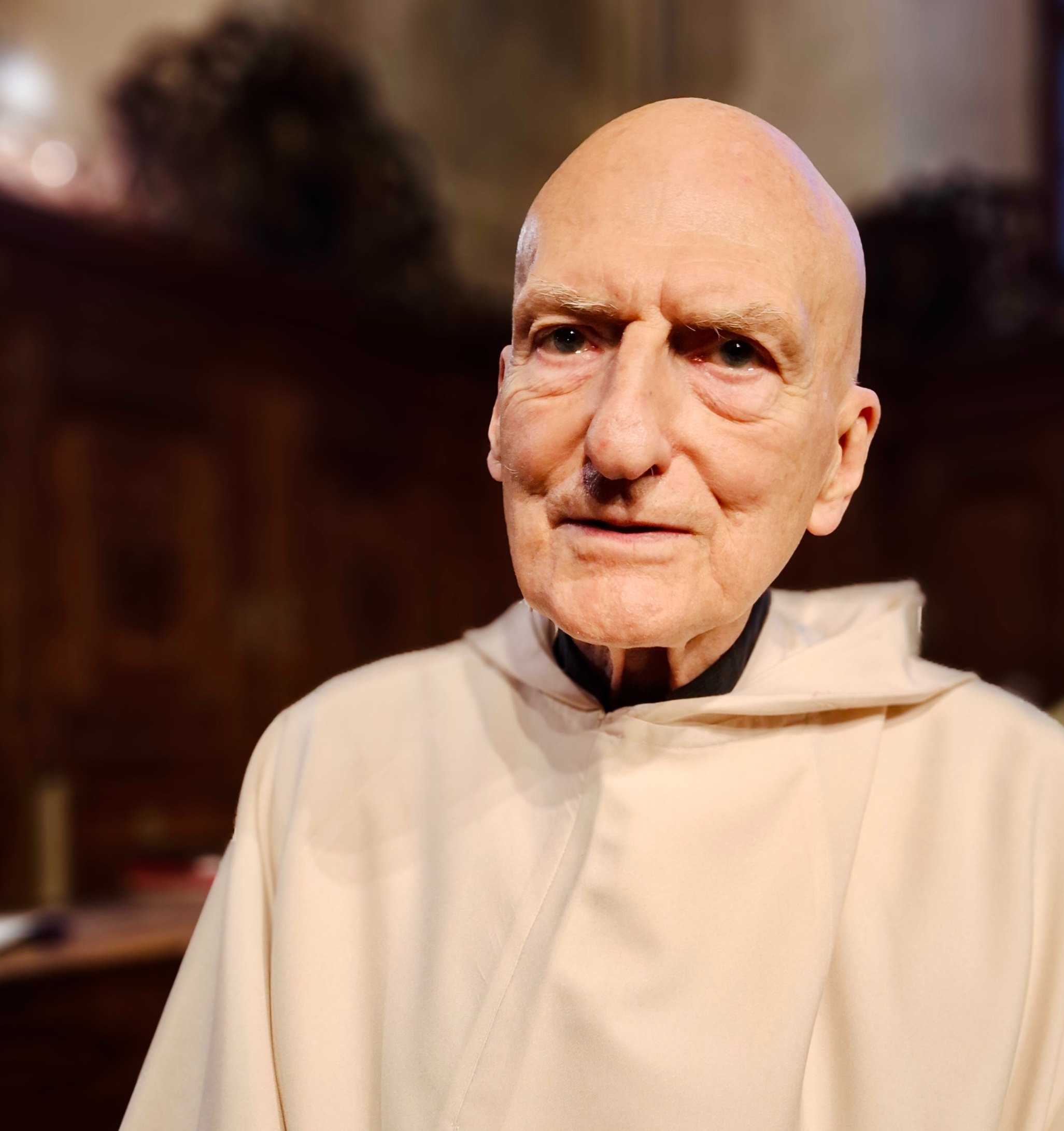
Reflection on the Gospel Reading
Matthew 3:1-12
The figure and message of John the Baptizer was harsh and yet attractive. Living a solitary existence John emerged from the desert (now in Transjordan), clothed in the rough garb reminiscent of the ancient prophets, preaching a startling simple message: Reform your lives because the reign of God is at hand!
Unpolished, straightforward in his criticism of contemporary society, John’s spreading reputation from Jerusalem, all Judea and the Jordan region certainly challenged and shook his listeners. Noting that members of the religious establishment, the Pharisees and the Sadducees, approached him for the ceremonial cleansing or baptism, on them John vented his full prophetic indignation.
In contrast to the usual repeatable purification rituals — often perfunctorily performed — John’s baptism was to be a sign of inner conversion of heart. But this was to be only a beginning, a preparatory rite. Indeed, the gnarled prophet at once foresaw the advent of one more powerful than himself who would baptize in the Holy
Spirit and fire. This “powerful one” would glean, sift, winnow and clear ground, all prophetic images of judgement, depicting, however feebly, the inevitable coming judgement of the Lord.
This is not a popular theme in any religious tradition and can easily be dismissed in favor of something more congenial. However, we all stand before the Word of God in its stark demands for a true conversion. The word, conversion, scripturally derived from the Hebrew word shubh and translated by the Greek metanoia, means “that one has taken a wrong path and being aware of this detour, the individual returns to God.”
The Greek metanoia “is not just a static remorse but a dynamic and determined, positive commitment to a new way of life; it is not just a human response but a human response to the prior initiative of God.”
How do we stand before the prospects of this coming judgment of God?
The Story of the Jesse Tree
The Jesse Tree is named from Isaiah 11:1: "a shoot will spring forth from the stump of Jesse, and a branch out of his roots". It is a vehicle to tell the Story of God in the Old Testament, and to connect the Advent Season with the faithfulness of God across 4,000 years of history.
The Branch is a biblical sign of newness out of discouragement, which became a way to talk about the expected messiah (for example, Jer 23:5). It is therefore an appropriate symbol of Jesus the Christ, who is the revelation of the grace and faithfulness of God.
The Israelites through the descendants of Abraham were chosen by God to be a light to the nations. When they were imprisoned by the Egyptians, they cried out to God for deliverance from their oppression. And God responded: "I have seen the misery of my people in Egypt, and I have heard their cry . . . I have come to deliver them from the Egyptians, and to bring them to a good land" (Exod 3:7-8).
And so, He entered history in a marvelous way to deliver them and bring them into a place where they could worship God and serve Him in peace and joy instead of serving Pharaoh in hard service. God promised to be with them and to be their God, and they would be His people.
But as they settled into the land that God had given them, "they forgot God, their Deliverer, who had done great things in Egypt" (Psalm 106:21). As they grew secure in the land, they began to believe that "my power and the strength of my own hand have gotten me these things" (Deut 8:17).
Even though God had raised up godly leaders like David, later kings and religious leaders served their own interests, and the people began to worship the false gods of the land. They even gave offerings to the idol ba’al, supposedly the god of rain and fertility of the land, thanking him for the prosperity they enjoyed.
The First, Second and Gospel readings are taken from the United States Council of Catholic Bishops Daily Readings website. Father William's reflections are considered to be personal, intellectual property. Attribution is to be given to Fr. William S. Faix, OSA, if his reflections are copied and/or used.

Comments