
First Sunday of Advent - 2025 - Year A
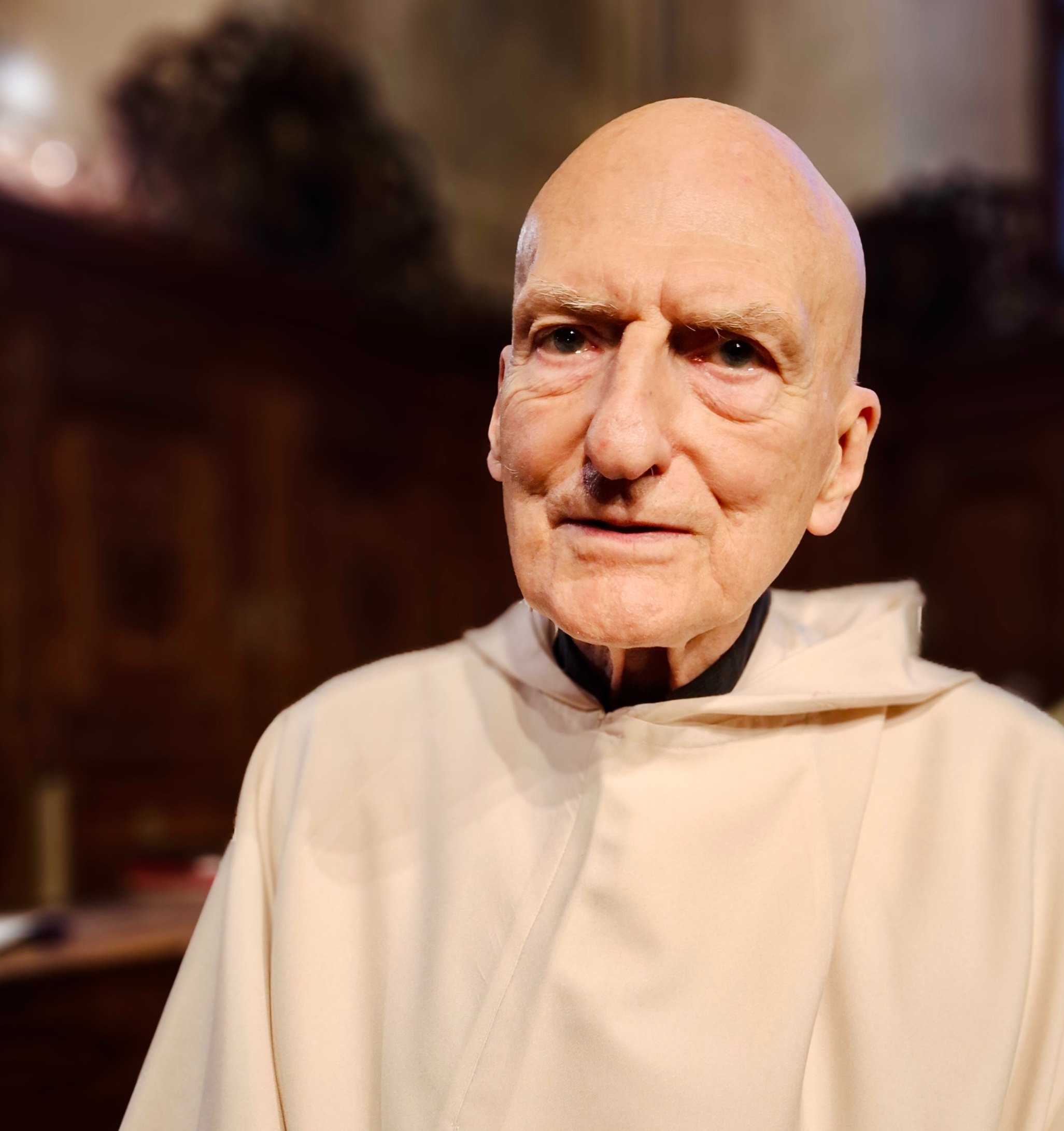
Reflection on the Second Reading
Romans 13:11-14
Paul shared the early Christians’ expectation of Christ’s imminent return. He may have been one of the first apostles to proclaim this apocalyptic gospel drawn from late Jewish traditions.
In this passage he urged the Romans to be unceasingly aware of the new order Jesus came to bring. They were to mirror his life in word and action. At the same time, as C.H. Dodd pointed out, the idea of the imminent “Day of the Lord” may have been fading in Paul’s mind because this is the only passage in his Roman letter where he wrote of it. Instead, he had begun to think those who believe in and follow Christ already live in the new Age. “The ethics of crisis,” to adopt Dodd’s phrase, “gave point to his moral exhortations.” (Hodder & Stoughton. Romans. The Moffatt New Testament Commentary, 1932, 209.)
The contrast of light and darkness in vss.12-13 reflected the dramatic change of behavior and character which their newly acquired faith brought to those early Christians. Paul’s earlier Letter to the Galatians 5:16-25 had made this same sharp contrast where Paul had compared the life of the Spirit and the life of the flesh.
In vs. 14 the phrase “put on the Lord Jesus Christ” may refer to the new garments put on the newly baptized as a symbol of the new spiritual life God had given them through faith in Christ. Paul used this favorite image several times in his correspondence. It meant simply following the moral example and character of Jesus into whose Body they had been mystically incorporated by baptism.
No less a saint than Augustine of Hippo confessed that this passage brought about his historic conversion. Christians still witness to the life-transforming experience of an encounter with Christ, though perhaps some do not experience it as dramatically as others.
Reflection on Advent
Advent, a word derived from the Latin “coming”, is that season of the year in which we not only celebrate the feast of Christ’s nativity in Bethlehem but also two other equally important comings or advents.
The wholesale marketing of Christmas which means “the Mass of Christ” has dulled our religious perceptions as to the true inner meaning of not only Christmas but of Advent. The anomalous situation of shops blaring out Silent Night before Thanksgiving only confuses the issue.
In order to appreciate the lessons of this beautiful time of quiet preparation we can divide Advent into two distinct time frames. The first extends from the first Sunday of Advent to December 16 and is followed by the last half from the December 16 to the Vigil of Christmas on December 24.
The first half of the season is somewhat grim and foreboding. The Gospel readings remind us of judgment and urgent contingency measures in face of the Lord’s sudden appearance. As in the past, these crisp gospel passages have been subject to endless interpretations both within and without the Church. The more recent Jehovah Witnesses, for example, had been forced to recalculate the final day “of reckoning” as occurring in 1875, 1915 and finally in 1975.
The early Christian community of Mark the evangelist did believe that Jesus was on “his way” with the destruction of Jerusalem and wholesale deportation of Israel following the disastrous Jewish War (AD 66-72). The end did not come, and the later evangelists (Matthew, Luke and John) now read back into Jesus’ word; what they found was that he did enjoin watchfulness and prayer in face of the encroaching judgment. Neither the day nor the hour was the subject of discussion, prayerful vigilance was.
But there is still a third advent amidst the historical commemoration of Jesus and the dark day of the Last Judgment.The Third advent is that which we experience in the reception of the sacraments, since it is Jesus who creates the community of the Church through and within the Eucharist.
As we begin our Advent let us keep in mind all three comings of the Lord: in the past at Christmas, in the future through judgment and each day with prayer, the scriptures and the sacrament of the altar. May we never grow lax or indifferent “on the watch” no matter how dark the night!
An ancient prayer of the Church poetically invited the Lord with the words:
Come, Lord Jesus, do not delay!
Are we comfortable with such an invitation; are we ready? You have all Advent to make up your mind.
The First, Second and Gospel readings are taken from the United States Council of Catholic Bishops Daily Readings website. Father William's reflections are considered to be personal, intellectual property. Attribution is to be given to Fr. William S. Faix, OSA, if his reflections are copied and/or used.


Comments