
Third Sunday of Advent - 2025 - Year A
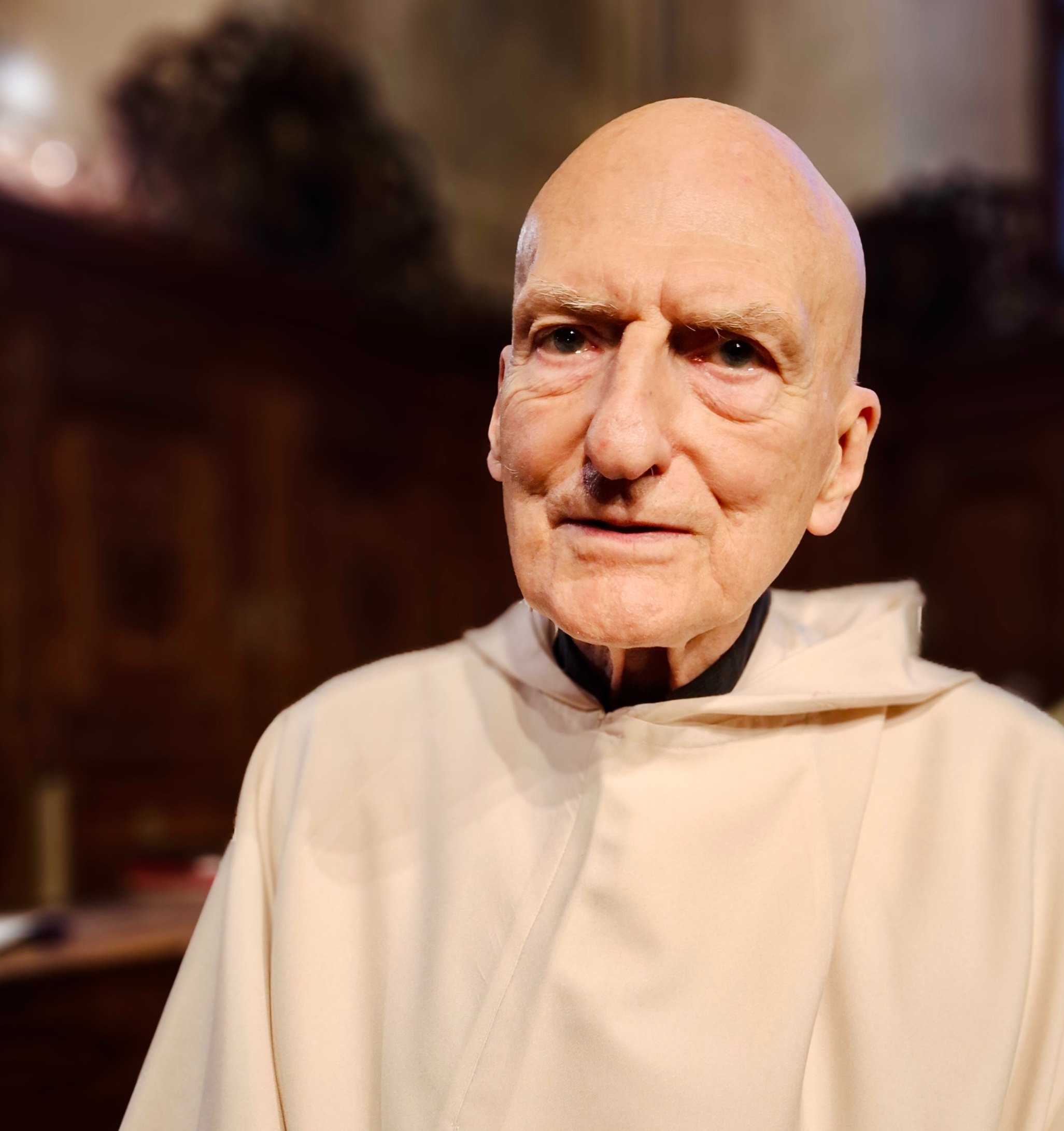
Gaudete Sunday
Today is Gaudete Sunday which in Latin means the “Sunday of Rejoicing.” To express this note of hope and exultation, the priest even wears rose colored vestments as an exception to the usual somber violet. For, within two weeks we will be celebrating the solemnity of the birth of Jesus Christ.
After four weeks of meditating on the “last days” we now turn our meditative attention to Christmas, the historic “first coming” of the Lord among us some two thousand years ago. The readings from Isaiah and James speak for themselves.
The first from Isaiah, the prophet, writing some 700 years before Christ, announces what God will effect for his people; James gives some implicit instructions as to how we are to receive the Lord. The gospel of Matthew, as it were, fulfills and reveals what these two readings preach through a request made by John, now a prisoner of political circumstance. With his execution close at hand, this last Old Testament prophet anxiously desires to ascertain Jesus’ credentials. Indirectly answering via a messianic paraphrase of Isaiah,
Jesus answers John’s inquiring disciples with one of the most beautiful passages in the New Testament: everything that God had promised his awaiting people is now being fulfilled. The gospel closes with a beautiful eulogy-as it were- of John’s ascetical life and powerful ministry: History has not known a man born of woman greater than John the Baptizer.
As we prepare for Christmas accompanied by those commercial traps and mindless distractions, try each day to reflect on the question John once asked: Who are you?The answer can be tossed over by rote memory, but more importantly does it lead us into the presence of Jesus?
Blessed are those who seek for they shall find.
The First, Second and Gospel readings are taken from the United States Council of Catholic Bishops Daily Readings website. Father William's reflections are considered to be personal, intellectual property. Attribution is to be given to Fr. William S. Faix, OSA, if his reflections are copied and/or used.


Comments